

Most travellers leave Guatemala City the morning after they land. For birds, the capital has more to offer than its traffic suggests. In zona 10, a university campus protects some twenty hectares of forest, and the oldest botanical garden in Central America stands on Avenida La Reforma. On the western edge of the city, the forests of Cerro Alux protect the springs that supply it with water. Birds are most active before nine, which is about when the museums open, so a morning can start with a motmot and end in front of Maya textiles or colonial coins. Here are the places we go, when they are open, and what they cost to enter.
Prices and opening hours noted in October 2026. Dollar amounts are rounded, at about Q7.6 to the dollar.
The Arboretum and the Museo Ixchel: one campus, two visits
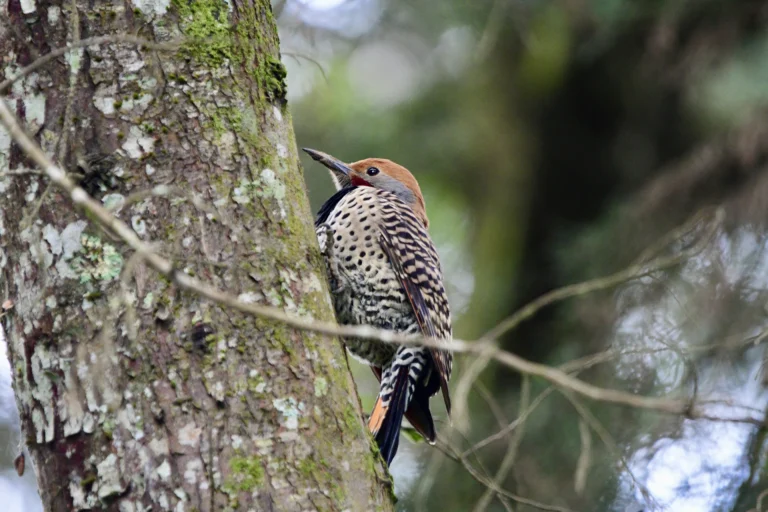
On the campus of Universidad Francisco Marroquín, in zona 10, the Arboretum is a forest protected since 1980, with more than two thousand trees and over a hundred kinds of orchids, a few minutes from the busiest avenues of the city. Lesson’s Motmot lives here, with the Golden-olive Woodpecker, the Band-backed Wren and the small Ferruginous Pygmy-Owl, which hunts by day. In winter, warblers from the north come through the canopy: Black-throated Green, Wilson’s, Magnolia.
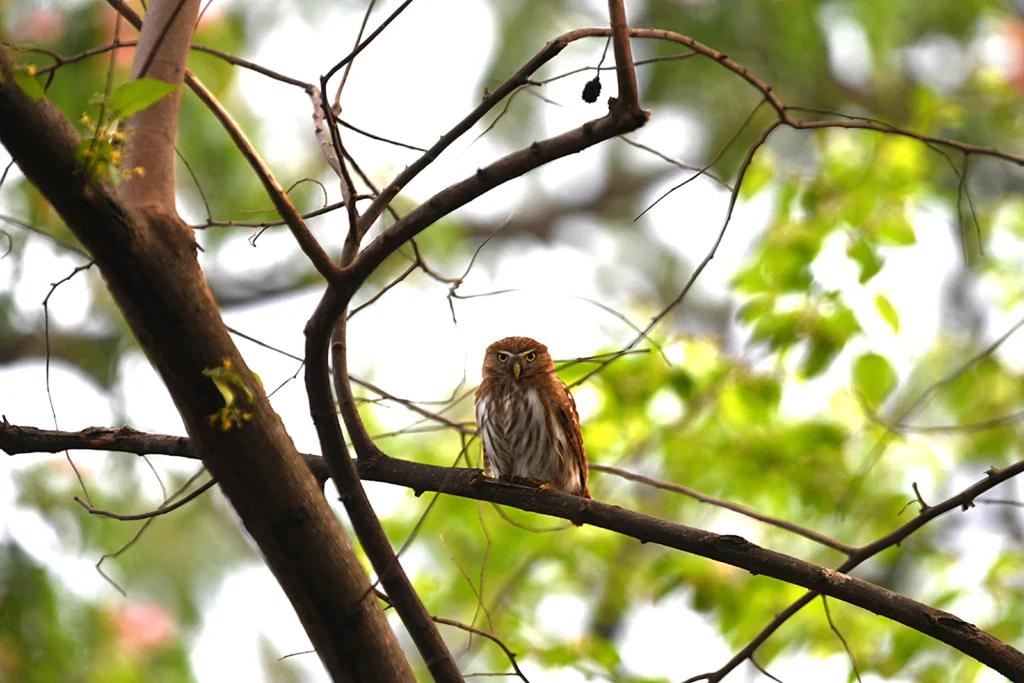
The Arboretum receives visitors by appointment only, booked through the form on its website. Entry costs Q50 per person (about $6.50). On our outings we have early access and go in at 6:30, while the birds are at their most active.
A short walk away, on the same campus, the Museo Ixchel del Traje Indígena has kept the textiles of Guatemala’s Maya communities since 1973: huipiles, cortes and belts, each village with its own colours and patterns. It is open Monday to Friday from 9:00 to 17:00 and Saturday from 9:00 to 13:00, closed on Sunday. Entry costs Q45 for adults (about $6), Q25 for university students with a valid card (about $3.30) and Q15 for children (about $2).
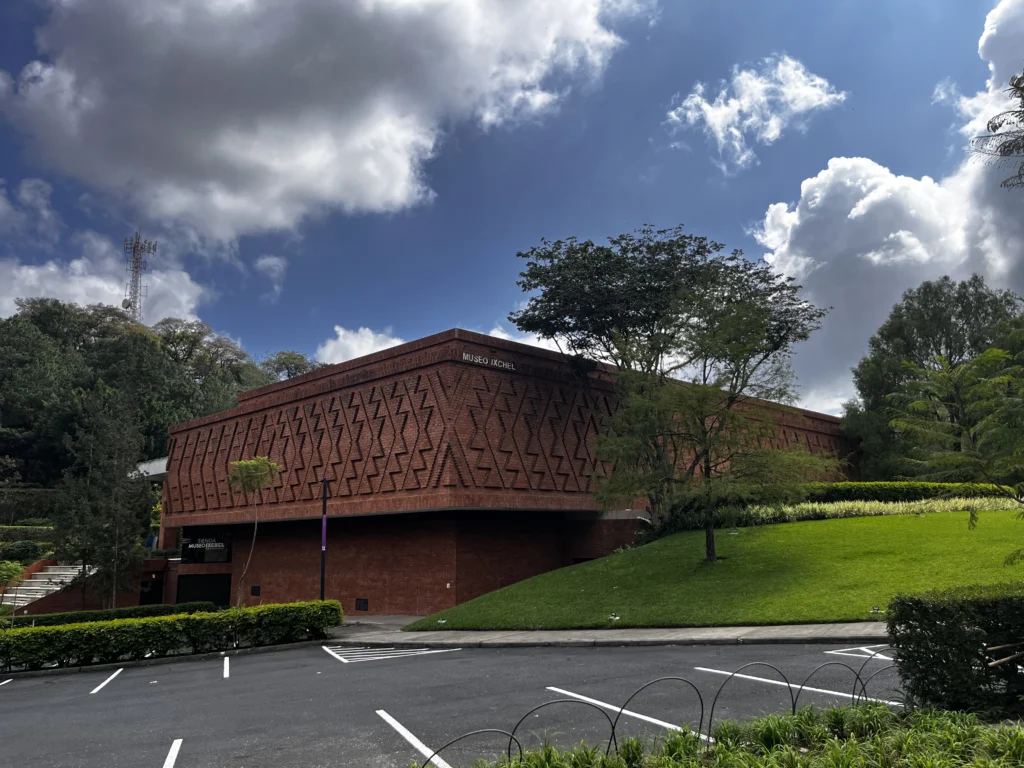
Next door, the Museo Popol Vuh shows pre-Hispanic Maya ceramics and colonial art. It keeps the same hours and the same prices, and a ticket for both museums costs Q70 (about $9), cash only.
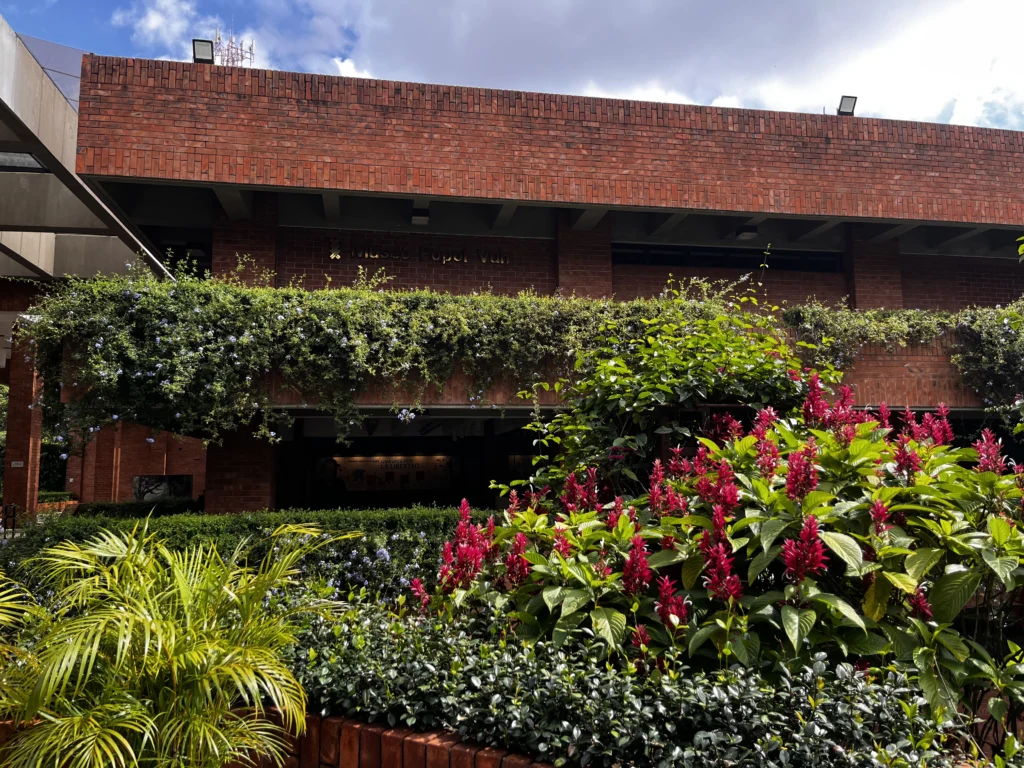
Our Arboretum and Museo Ixchel outing combines the two: the forest while the birds are active, the museum when it opens. Both entries are included.
The Jardín Botánico and the Museo Numismático: a weekday morning
The Jardín Botánico of the Universidad de San Carlos opened in 1922, the first botanical garden in Central America. It covers less than two hectares, with more than 500 plant species, so the walk is short and easy. The birds come for the fruit and the flowers: White-eared and Azure-crowned Hummingbirds, the Golden-fronted Woodpecker, the Social Flycatcher, the Blue-gray Tanager, and Pacific Parakeets passing overhead. From October, the Summer Tanager, the Rose-breasted Grosbeak and the Baltimore Oriole join them.
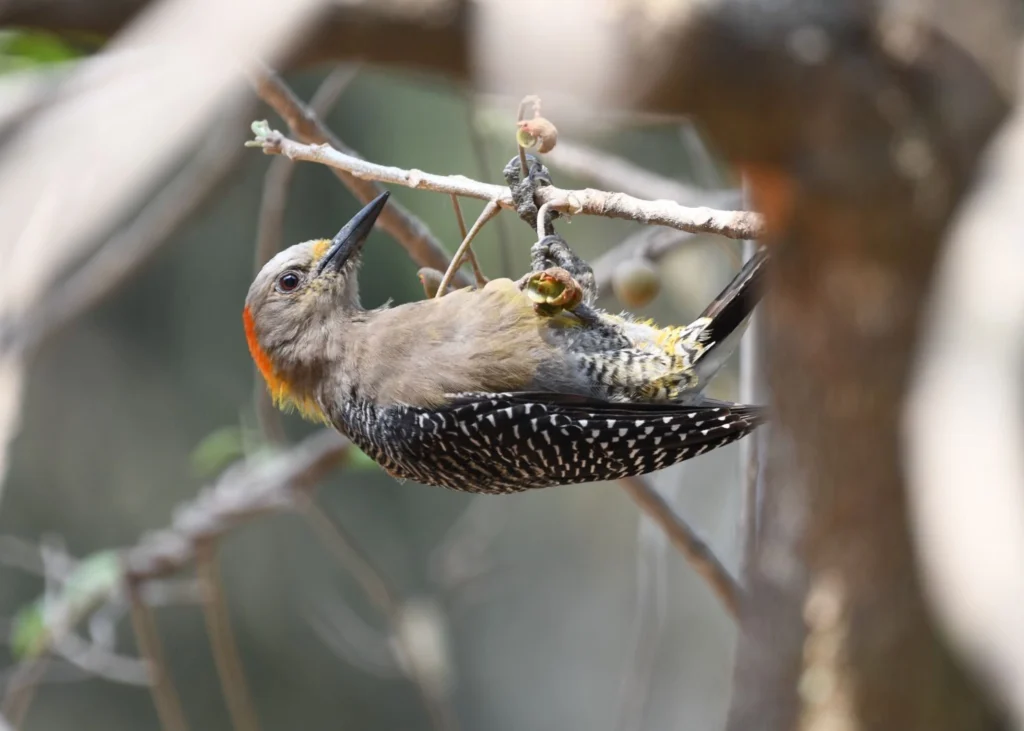
The garden is on Avenida La Reforma 0-63, zona 10, with its entrance on Calle Mariscal Cruz. It is open to the public Monday to Friday from 8:00 to 15:00, and entry costs Q10 for foreign visitors (about $1.30) and Q3 for Guatemalans. Our outings go in earlier, at 6:30, with early access.
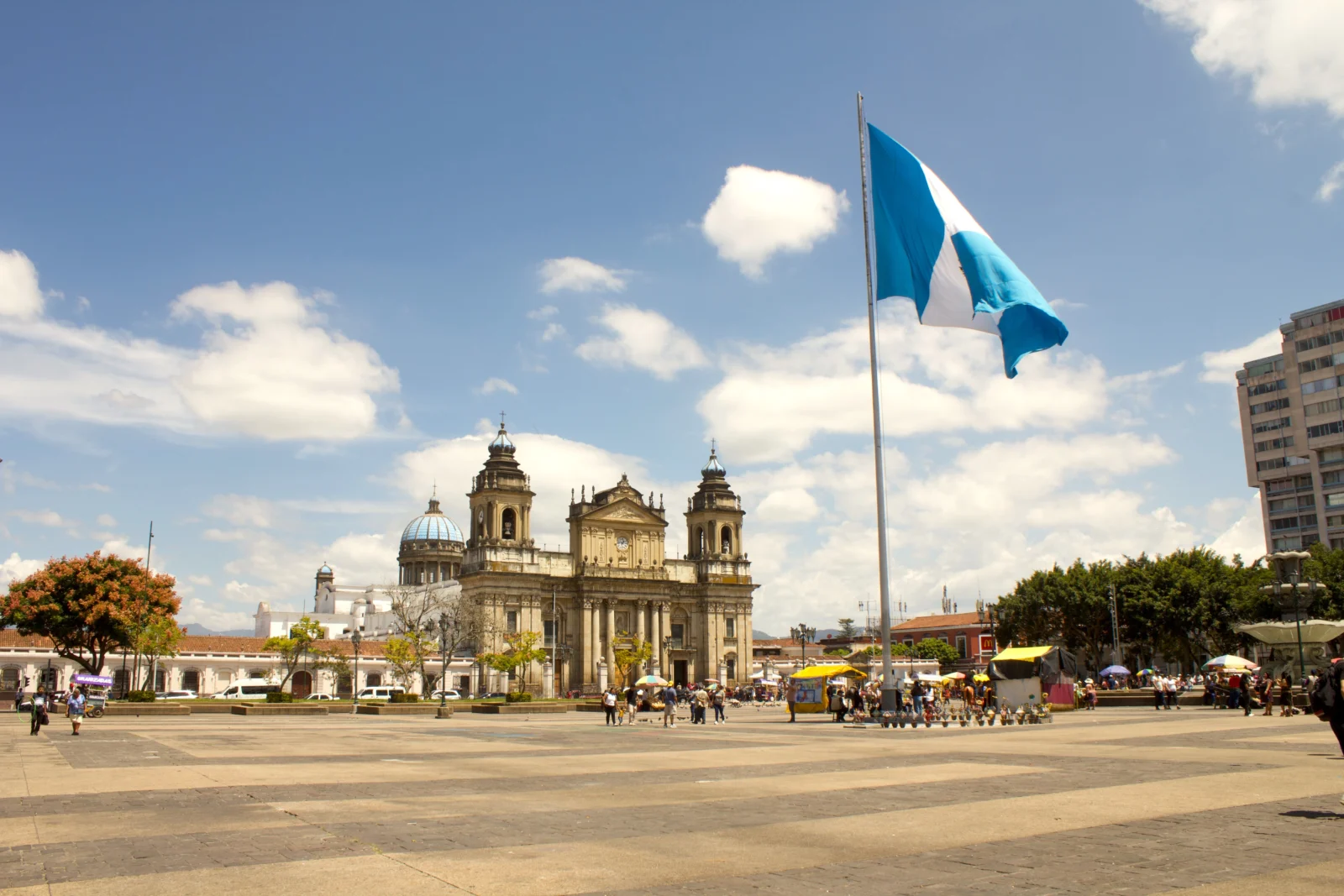
A short drive away, in the Centro Cívico, the Banco de Guatemala keeps the Museo Numismático: more than three thousand pieces, from the cacao beans, jade and feathers used for trade before the Spanish arrived to colonial coins and the first banknotes of the quetzal, the currency named in 1925 after the national bird. It is open Monday to Friday from 8:00 to 16:00, and entry is free. The historic centre, around the Plaza de la Constitución, is about two kilometres further north.
Neither the garden nor the museum opens at the weekend. Our Jardín Botánico outing visits both, on weekdays, with transport from your hotel included.
Cerro Alux: the forest at the edge of the city
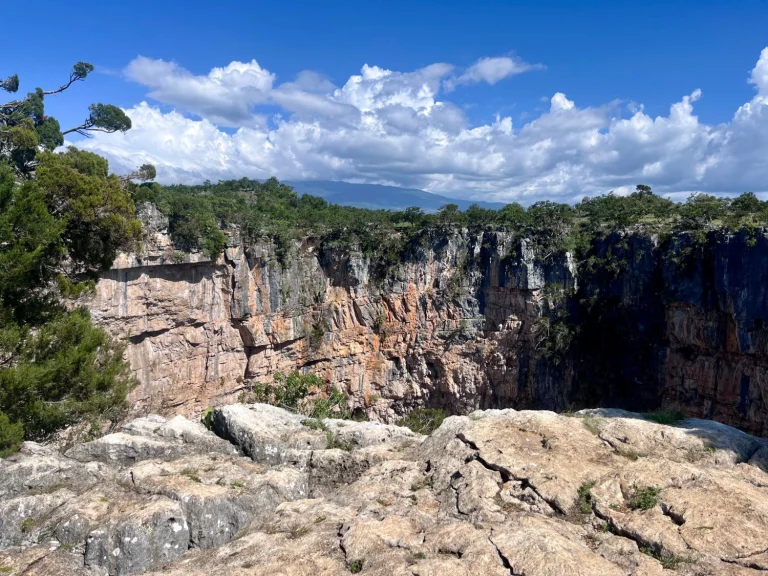
West of the capital, between Mixco and San Lucas Sacatepéquez, the Cordillera Alux is a protected forest reserve, higher and cooler than the city, 30 to 50 minutes by road from zona 10 depending on traffic. More than 140 bird species have been recorded there. Along its trails: the Blue-throated Motmot, the Northern Emerald-Toucanet, the Mountain Trogon, the Golden-browed Warbler and, with some luck, the Singing Quail, more often heard than seen. In winter, look for the Golden-cheeked Warbler, which nests only in Texas.
Three places on these hills, and they do not work the same way.
- El Manzanillo, managed by the conservation foundation FUNDAECO, is not open to the public: its trails can only be walked accompanied. We have the contact that lets us go in with our guests, and our El Manzanillo outing leaves from Guatemala City or Antigua.
- At Finca San Rafael de las Hortensias, the trails cost Q10 per person (about $1.30), but the finca can only be reached by private car. Our Finca San Rafael de las Hortensias outing includes the trail fee, and transport can be added when you book.
- Senderos de Alux is something else: a municipal ecological park at kilometre 26.5 of the Interamericana, near San Lucas Sacatepéquez, with zip lines and giant swings as well as trails. It is the easiest to visit on your own: open Tuesday to Sunday from 8:00 to 16:00, entry Q20 per adult (about $2.60) and Q10 per child (about $1.30). At the weekend it fills with families; on a weekday morning the trails are quieter.
At a glance
- Arboretum UFM: zona 10, by appointment. Q50 per person (about $6.50).
- Museo Ixchel and Museo Popol Vuh: same campus. Monday to Friday 9:00–17:00, Saturday 9:00–13:00. Adults Q45 (about $6) per museum, Q70 (about $9) for both.
- Jardín Botánico: Avenida La Reforma, zona 10. Monday to Friday 8:00–15:00. Q10 for foreign visitors (about $1.30).
- Museo Numismático: Centro Cívico, zona 1. Monday to Friday 8:00–16:00. Free entry.
- El Manzanillo: Cerro Alux. Not open to the public, accompanied visits only.
- Finca San Rafael de las Hortensias: Cerro Alux. Q10 per person (about $1.30), private car only.
- Senderos de Alux: San Lucas Sacatepéquez. Tuesday to Sunday 8:00–16:00. Q20 per adult (about $2.60), Q10 per child.
In the city, the birds are up before the traffic.
A few practical notes
- Plan the city on a weekday. The Jardín Botánico and the Museo Numismático are closed at the weekend, and the Ixchel and Popol Vuh museums close at 13:00 on Saturday.
- Stay off the roads between 7:00 and 9:00, the morning rush hour. That is why our outings leave early, around 6:00, when the birds are at their most active.
- Dress in layers. Mornings are cool in the city, and cooler still on Cerro Alux.
- On our outings, binoculars are provided. Bring your own if you prefer.
- Between October and April, migrants from North America join the resident birds.
All these outings are on our birdwatching page, with their prices. Staying in Antigua instead? Our note on birdwatching near Antigua covers the places on that side.