Discover Monterrico: Volcanic Sands & Pacific Coast
Itinerary
Indicative, adjusted to your dates, pace and interests.
Day 1
| Time | Activity |
|---|---|
| On arrival | Depart from Guatemala City / Antigua About 3 hours by road |
| - | Lunch |
| - | Arrival and hotel check-in |
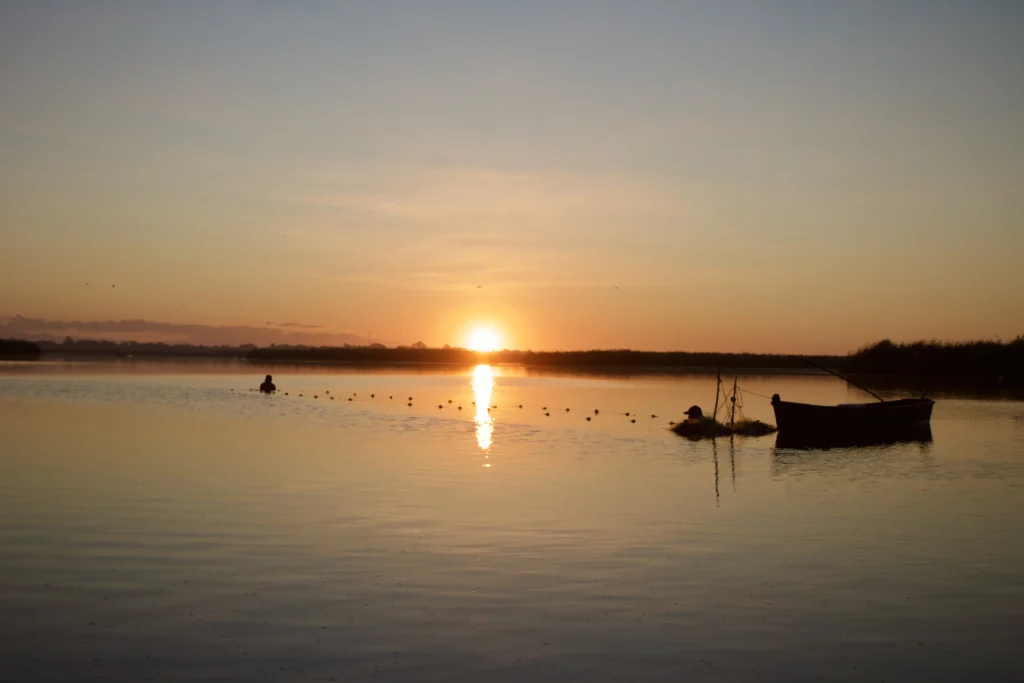
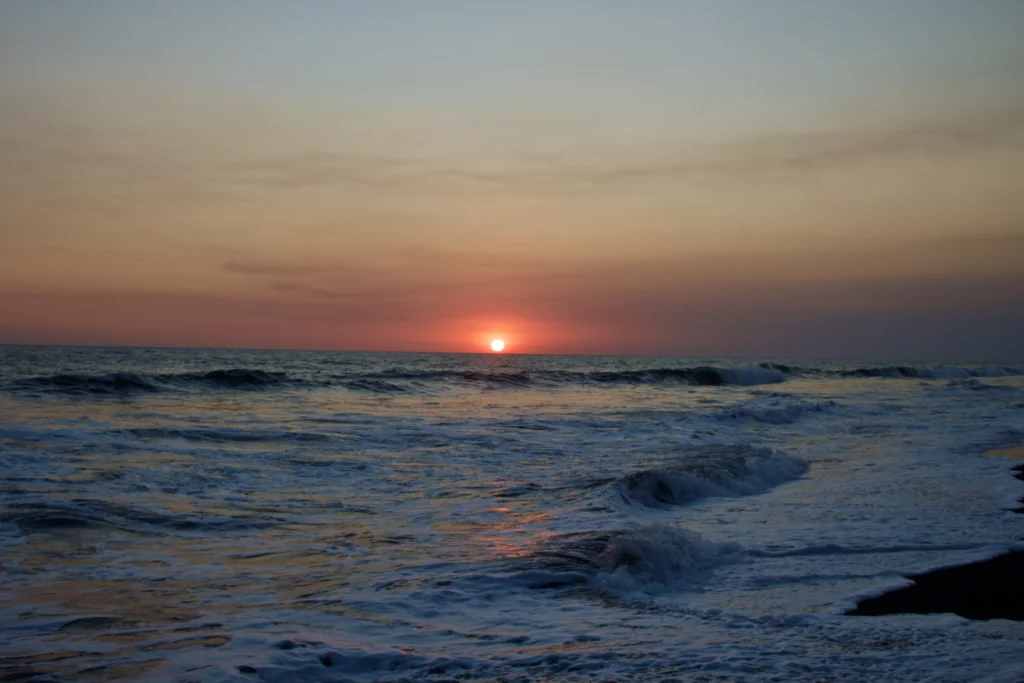
| Evening | Sunset on the beach |
Day 2
| Time | Activity |
|---|---|
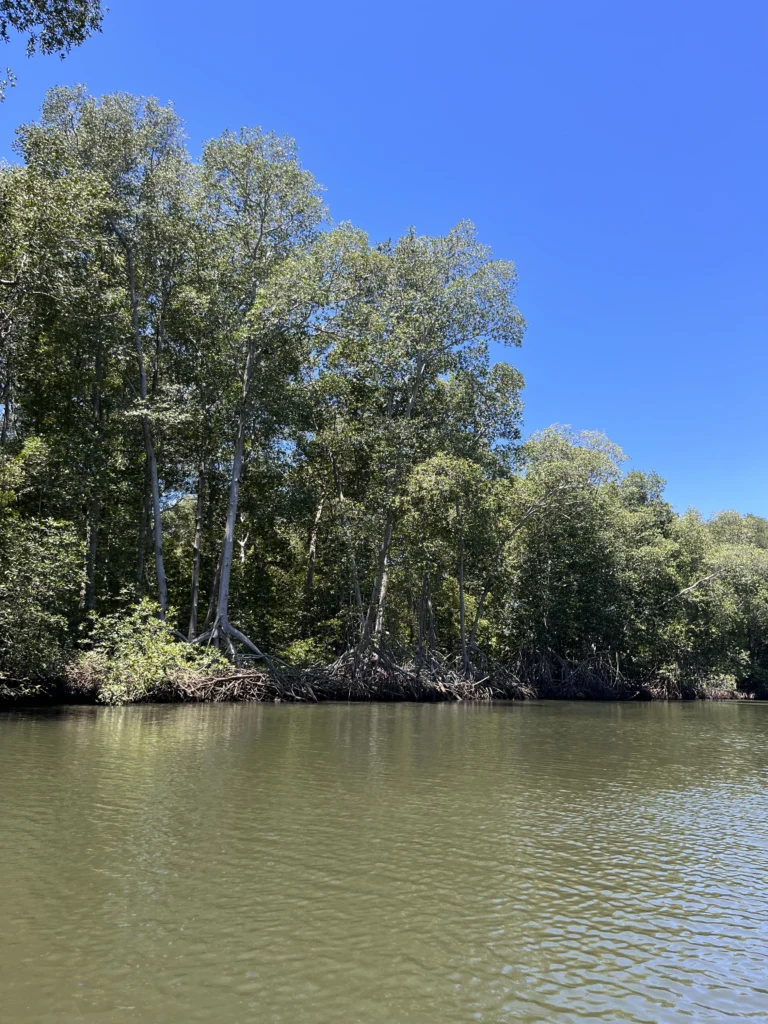
| 5:00 | Boat tour of Monterrico Lagoon + mangrove Coffee & cookie |
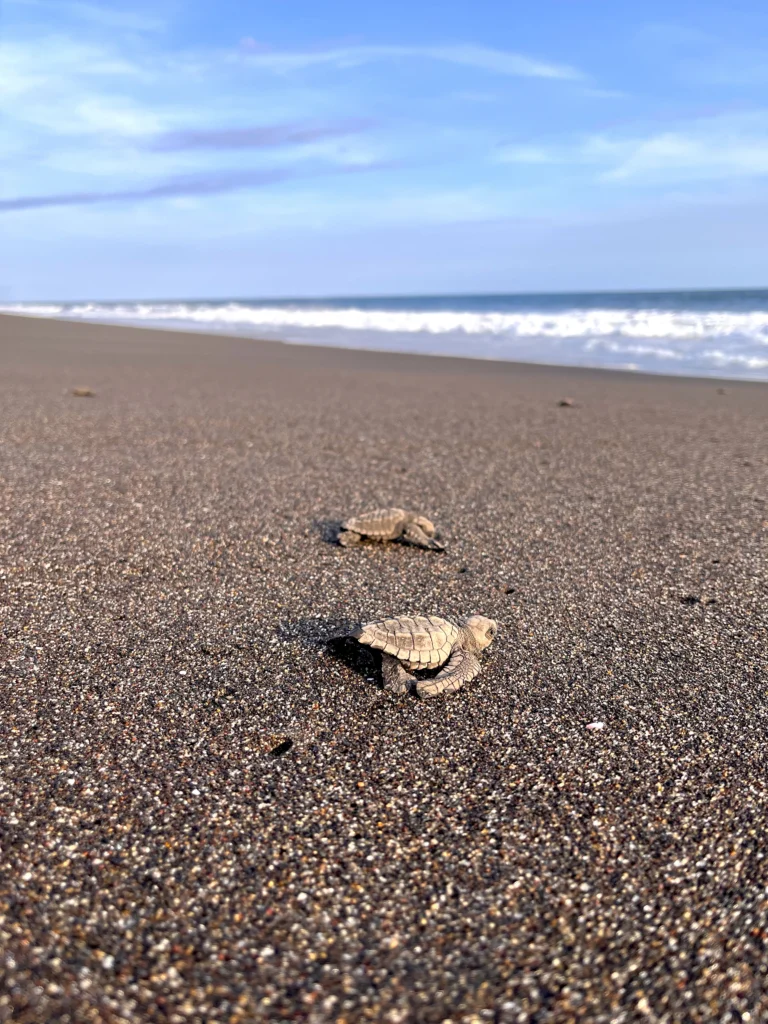
| 7:30 | Visit a local sea turtle hatchery Turtle release if within nesting season, August to December |
| 8:30 | Breakfast |
| Morning | Free time + massage option The hotel pool is the safer option for a proper swim |
| 12:00 | Lunch |
| 13:30 | Downtime - Departure transfer Guatemala City / Antigua, or onward to your next destination |
2 days · 1 night from Launch offer: 10% off every trip booked by December 31, 2026.
$990 for 2 travellers
$1,100
Your trip includes
- Accommodation
- Food
- Transport
- Guide
- Activities
- Support
- Entrance fees
You arrange
- International flight
Send my booking request
Booking request received
We'll be in touch within 24 hours.
Recommendations
Traveller recommendations
Sea turtle nesting and hatching runs from August to December, when local conservation centres hold turtle releases. Outside that window, the hatchery visit may not be available.
Practical tips
The Pacific surf here has strong currents and undertows. Wading in the shallows is common, but deep swimming is not recommended — the hotel pool is the safer option.
What to pack
Closed footwear for the beach around midday, when the black sand gets very hot. Swimwear, sun protection and a good insect repellent for dawn and dusk near the mangroves.
Frequently asked questions
Is it safe to swim in the ocean at Monterrico?
The Pacific Ocean here is known for strong currents, undertows, and large crashing waves. While wading in the shallows is popular, deep swimming is generally not recommended unless you are an extremely strong, experienced swimmer. We highly recommend enjoying the ocean breeze from the safety of your lodge's private pool.
Why is the sand black, and is it hot?
The sand is black because it is made entirely of volcanic ash and pulverised rock, carried down from the highlands by rivers over thousands of years. Its dark colour absorbs the heat: by midday it burns. Shoes are a must for walking on the beach in the afternoon.
When is the best time to see the sea turtles?
Sea turtle nesting and hatching season generally runs from August through December. During this time, local conservation centers hold daily releases of baby turtles at sunset, and visitors can attend.
Are there many mosquitoes?
Due to the tropical climate and the nearby mangrove swamps, mosquitoes can be present, particularly around dawn and dusk. Premium lodges provide A/C and mosquito nets, but bringing a good quality insect repellent is highly recommended.